DESCRIPTION
Date: 13th October 2026, Tuesday
Time: 1.00 pm (UTC) / 2.00 pm (BST)
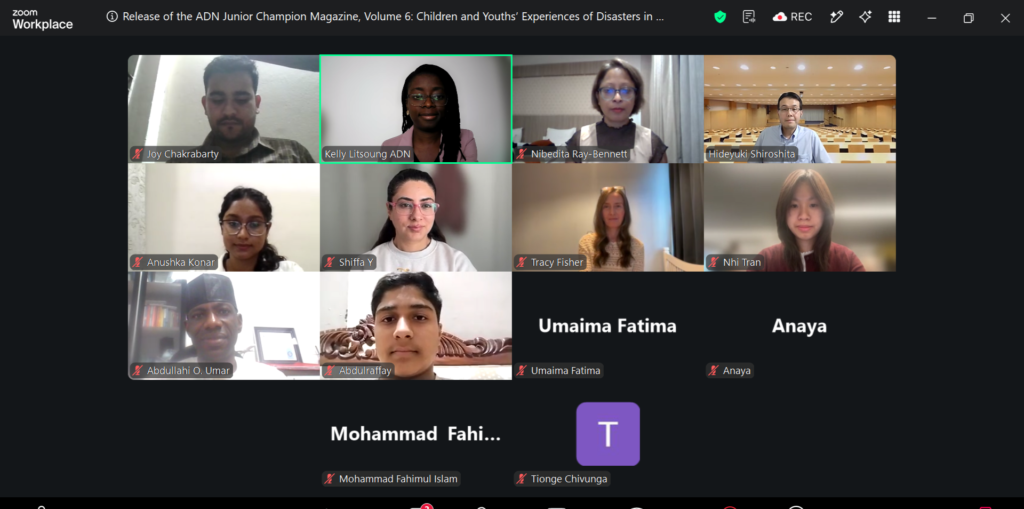
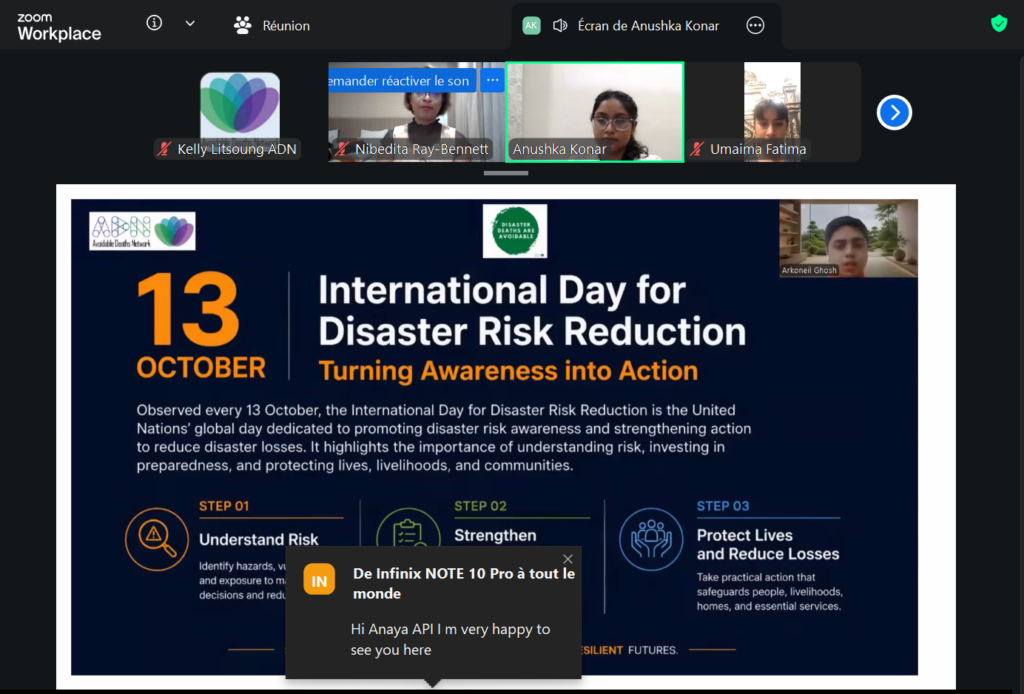
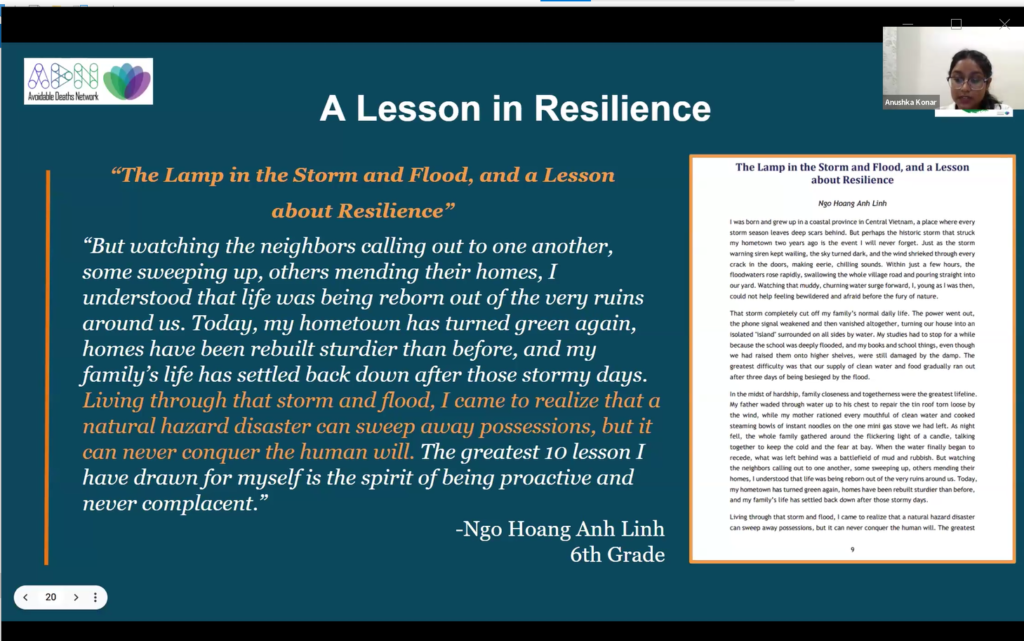
The Avoidable Deaths Network launched the Junior Champion Magazine Volume 6, featuring stories from Vietnamese youth on disasters. The event included the magazine team and young authors, sharing their experiences and the importance of youth voices in disaster risk reduction.
CHAIR
Dr Hideyuki Shiroshita

As the Founding President of the ADN, Hideyuki is an Associate Professor at the Graduate School and Faculty of Societal Safety Sciences, Kansai University in Japan. Currently, he is the chairperson of the Osaka Prefectural committee for promoting safety and disaster education.
GUEST EDITOR
Dr Flora Tran

Dr Hang (Flora) Tran is a doctoral researcher and Graduate Teaching Assistant at the University of Leicester School of Business, UK. Her research examines how immersive technologies like virtual reality can support conservation tourism, environmental education, and pro-environmental behaviour. With a background spanning Social Work, International Business, and Management, she focuses on interdisciplinary approaches to sustainability and technology-enabled learning. Flora also founded Fireflore, an initiative connecting technology, education, and nature conservation. More at: https://www.fireflore.com.
SPEAKERS
Mr Asad Tahir Jappa

Mr Asad is the founder president of the Sustainable Leadership forum. He is a dynamic civil servant with over 20 years of experience in various public and private sector organizations, including international NGOs and donors. Holding an LLB and a Master’s in English Literature, he is an internationally certified facilitator and prolific writer, he regularly contributes to national newspapers and has authored two bestselling books.
Miss Anushka Konar

Anushka Konar is a B.Tech Biotechnology undergraduate at the Heritage Institute of Technology, Kolkata, India. With a strong foundation in science and communication, she brings a unique blend of technical knowledge and creative vision to her roles. As the Co-Editor of Junior Champions Magazine, Anushka plays a key role in shaping youth voices and narratives.
Master Arkoneil Ghosh

Currently pursuing his A-levels in an International School in Mumbai, Arkoneil is a multilingual youth leader fluent in English, Spanish, Hindi, Bengali, and Chinese, with additional skills in Japanese. A passionate coder, he has contributed to education projects for underprivileged children in Dharavi, Mumbai. Since 2020, he has been an active ADN Junior Champion, raising awareness on preventable deaths, and is the Founding Editor of the Junior Champion Magazine.
Ms. Shiffa Z. Yousafzai
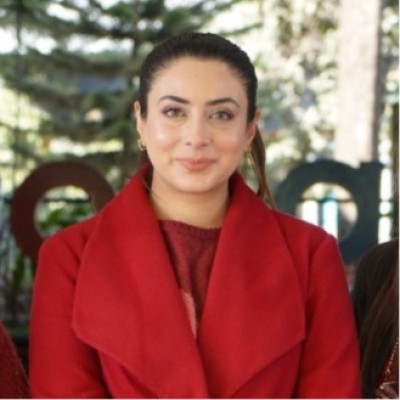
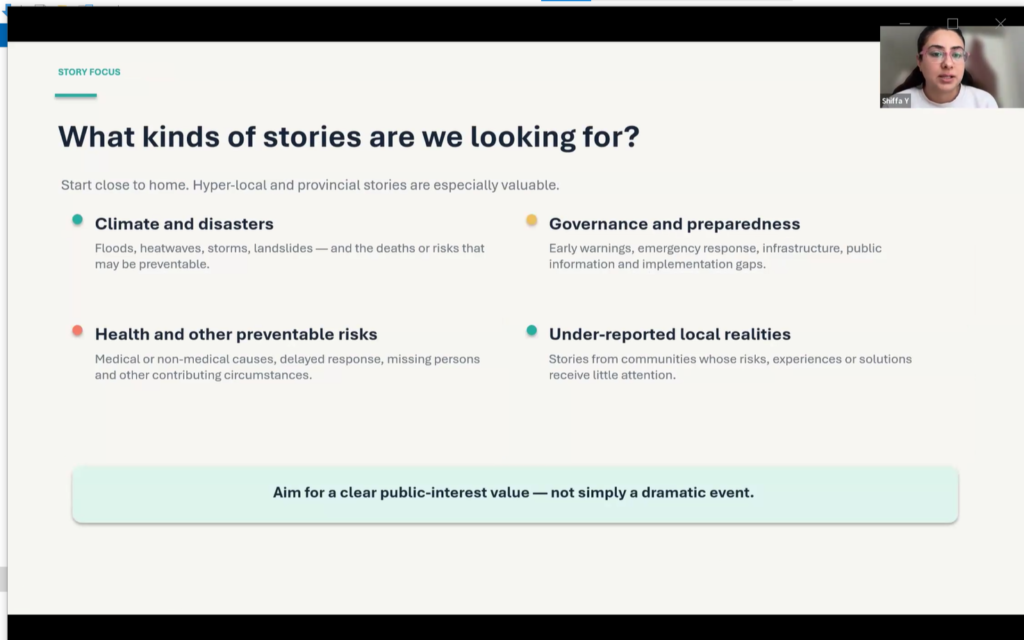
Ms. Shiffa is ADN Journalist Coordinator. She is an experienced Pakistani TV anchor, multimedia journalist, licensed lawyer, and PhD researcher at the University of Leicester focusing on AI and digital media.
PRESS
IMPACT
Participants
The event has attracted 46 registered participants.
Unanswered questions
These answers are provided by the Junior Champion Magazine Editors Anushka Konar & Arkoneil Ghosh.
| Question | Answer |
| Why do youth voices matter in disaster risk reduction ? | Young people are among those most affected by disasters, yet their perspectives are often overlooked in decision-making. Their experiences help identify challenges related to education, displacement, mental health, and community safety. Including youth voices ensures that disaster risk reduction strategies address their actual needs while encouraging young people to become active contributors to building resilient communities. |
| What is the most important change we can make today to keep children safer from future disasters? | The most important change is shifting our focus from responding to disasters to preparing for them. Integrating disaster preparedness into school curricula, strengthening early warning systems, and conducting regular safety drills can help children understand risks and respond effectively. Governments, schools, and communities must collaborate to make preparedness accessible to every child. |
| How can we better protect children and support their education during natural disasters? | Protecting children’s education requires disaster-resilient schools, emergency learning plans, and accessible alternative education systems. Temporary learning centres, digital resources, and psychosocial support can help children continue learning during emergencies. Schools should also conduct regular evacuation drills and train teachers to respond effectively, ensuring that education remains a priority throughout disaster recovery. |
| During political unrest or natural disasters, children are often among the most vulnerable. How can we ensure their safety and protect their right to education and Healthcare? | Governments and humanitarian organisations must prioritise safe shelters, accessible healthcare, and continued educational opportunities during crises. Temporary learning facilities, emergency medical services, and child protection mechanisms can reduce vulnerabilities. Particular attention should be given to displaced children and marginalised communities, ensuring that essential services remain available without discrimination. |
| If many deaths during disasters or political crises could be prevented through better planning and timely action, how can governments be held accountable for protecting human lives? | Government accountability requires transparent disaster management policies, responsible resource allocation, and timely emergency responses. Independent investigations, public reporting, and regular assessments can identify preventable failures. Civil society organisations, researchers, and young people can also monitor government commitments and advocate for stronger policies that prioritise preventing avoidable deaths. |
| How about avoidable deaths in developing countries going through political turmoils? facing protests etc? Those politics induced deaths could also be avoided when states use force on protesters… no? Just asking for my own clarity of the issue. | Yes, deaths resulting from political unrest and excessive use of force can also be considered potentially avoidable. Responsible governance, peaceful conflict resolution, proportionate law enforcement, and accessible emergency medical services can prevent unnecessary fatalities. Although these circumstances differ from natural hazard disasters, they reflect a broader principle of avoidable mortality, where timely intervention, accountability, and the protection of human rights can save lives. |
| Disasters not only disrupt our education and damage school infrastructure , but also cause fear among students . How can young people be empowered to lead disaster preparedness programs in their schools and pass this life saving knowledge to their families and community? | Young people can take leadership roles by establishing disaster preparedness clubs, organising evacuation drills, and participating in first-aid training. Schools can encourage students to identify local hazards and develop awareness campaigns addressing community risks. By sharing this knowledge through family discussions, workshops, and community activities, young people can extend disaster preparedness beyond classrooms and contribute to building safer, more resilient communities. |
| If we cannot completely prevent natural disasters, what practical steps can we take to reduce their damage and protect human lives?” | Although natural hazards cannot always be prevented, their consequences can be significantly reduced through effective preparedness. Strengthening infrastructure, improving drainage systems, implementing early warning mechanisms, and identifying safe evacuation routes are essential measures. Regular community training, emergency supplies, and accessible shelters can further protect vulnerable populations. Ultimately, investing in prevention and preparedness helps reduce disaster-related losses and avoidable deaths. |
| How can children effectively raise awareness and share disaster risk reduction ideas with community members who might not listen to younger voices? | Children can communicate disaster risk reduction ideas through storytelling, practical demonstrations, community workshops, and real-life experiences. Collaborating with teachers, local leaders, and organisations can help strengthen their credibility and reach wider audiences. Initiatives such as the ADN Junior Champion Magazine demonstrate how young people’s perspectives can influence discussions and encourage communities to recognise children as valuable contributors to disaster preparedness. |
| Natural disasters like floods and earthquakes cannot always be prevented. How can we use modern technology, early warning systems, and public awareness to protect people’s lives, especially in developing countries like Pakistan?? | Modern technologies such as satellite monitoring, weather forecasting, and mobile-based early warning systems can help communities anticipate disasters and take preventive action. However, these systems must reach vulnerable populations, particularly in rural areas with limited digital access. Combining SMS alerts, community radio, local volunteers, and public awareness campaigns with effective evacuation planning can strengthen preparedness and significantly reduce avoidable deaths in countries such as Pakistan. |
RECORDING
PHOTOS