
The Avoidable Disaster Deaths (ADD) Study Group, launched on 22 January 2026, represents a significant impact outcome of the Avoidable Deaths Network and its sustained programme of research, consultation, and international collaboration.

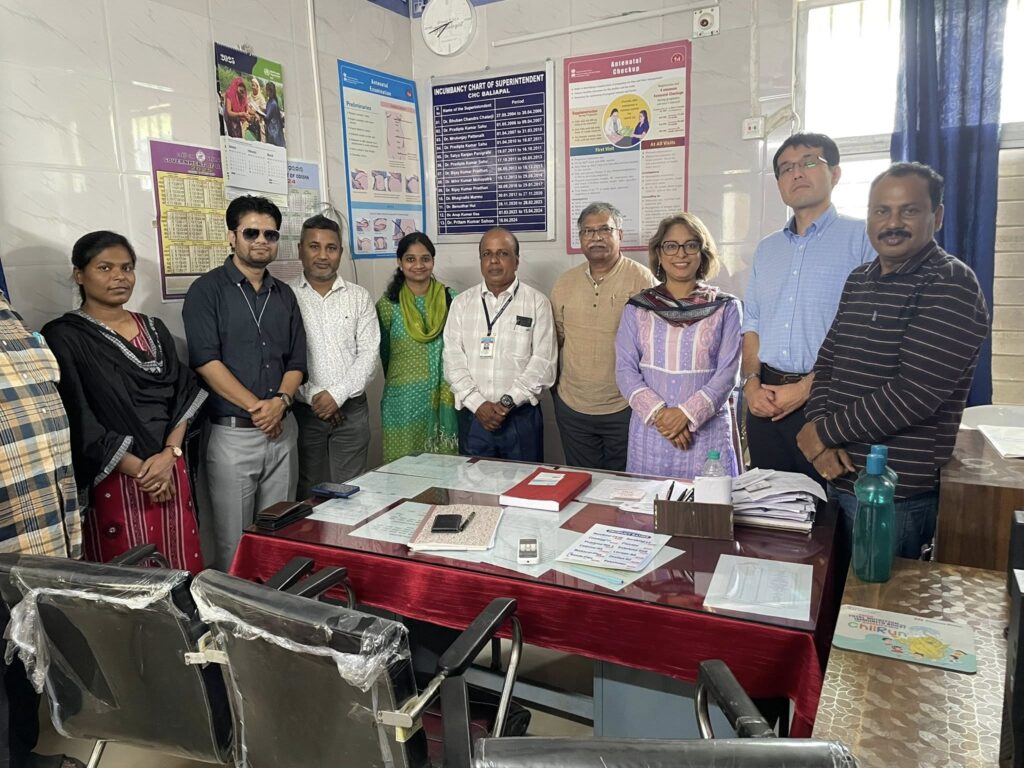
The ADD Study Group emerged from 13 consultative meetings (2024-25) and nine public-patient engagement events held in India and Japan, convened as part of the Wellcome Discovery Award proposal, led by Professor Nibedita Ray‑Bennett (University of Leicester). These consultations and engagements brought together researchers, practitioners, and data specialists across multiple countries to advance the application of the Avoidable Disaster Deaths Framework in disaster-prone contexts of India, Bangladesh and Japan.
The ADD Study Group comprises 24 members from 14 institutions across the UK, South Asia, and Japan, spanning universities, health systems, humanitarian organisations, and data institutions. These institutions include: the NHS; University of Leicester; Aston University; University of South Wales; Centre for Injury Prevention, Bangladesh; Bangladesh Medical University; University of Dhaka; Data Management Aid; DST‑ICARS, Indian Institute of Technology Roorkee; Kalinga Institute of Industrial Technology; Kalahandi University; Kochi University; Kansai University; Kobe City College of Nursing; and the Red Cross Toyota College of Nursing.
This interdisciplinary and cross‑regional composition strengthens the Network’s ability to translate research into actionable, context‑specific impact.
Proposed by Dr Pratap Jena (Kalinga Institute of Industrial Technology) and endorsed unanimously by members attending the launch meeting, the Study Group’s core impact objective is to apply the Avoidable Disaster Deaths Framework (preventable, amenable, and risk‑governance domains) to:
- analyse open data on disaster‑related deaths;
- generate evidence‑informed, context‑specific interventions and toolkits; and
- improve disaster‑related death data management and governance to support life‑saving decisions.
Through this Study Group, the Avoidable Deaths Network has progressed from conceptual framework development to implementation‑focused collaboration, strengthening pathways to real‑world impact in disaster risk reduction, health systems, and humanitarian response.
Membership of the ADD Study Group is currently closed, with participation by invitation to ensure strategic alignment and depth of engagement.